
Creative Pedagogy. Engaged Learners. Real Impact.
Creative Pedagogy. Engaged Learners. Real Impact.
Driven by curiosity and grounded in purpose, Dr. Catherine Wright’s teaching blends bold thinking with creative execution to inspire meaningful change.
As a seasoned educator, she fosters personal, professional, and spiritual growth, adapting her teaching for diverse learners—including undergraduates, first-generation and Pell Grant students, and adult learners—so all can engage deeply, reflect meaningfully, and act with impact.
Intentional Pedagogy, Real Impact.
“The courses I design push beyond content mastery—they cultivate clarity, purpose, and agency. Grounded in justice, ecology, and interdisciplinary inquiry, each class empowers students to ask sharper questions, analyze complex systems, and step confidently into their roles as changemakers. I treat assessment as an ongoing conversation with students, using their feedback to continuously refine course design and adapt teaching strategies, ensuring the learning experience evolves to meet their changing needs” C. Wright
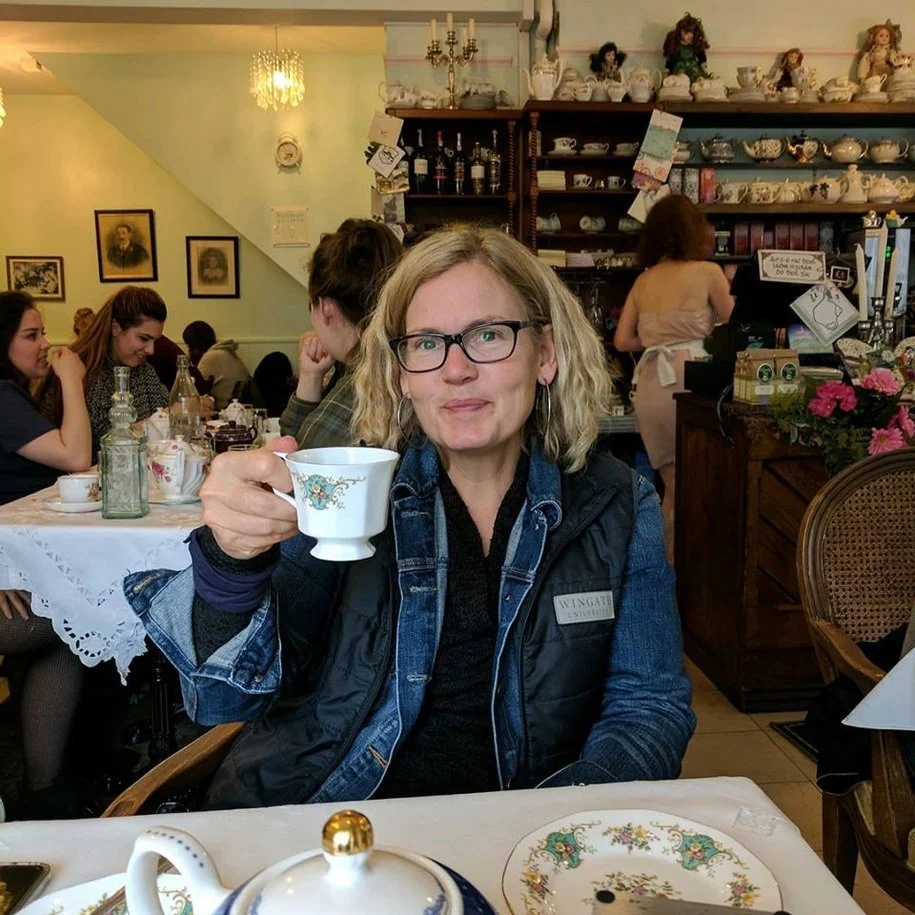

Discover the Impact of Food and Faith (REL 140) designed and taught by Dr. Catherine Wright
See how connecting classroom learning with real-world community engagement empowers students, strengthens civic skills, and fosters meaningful social change. [Watch the Video]
This video presents a two‑year study of the Food and Faith course, a service‑learning and community engagement experience in a general education religion class. The research designed and implemented by Dr. Wright shows that integrating real‑world community work with academic study significantly increased students’ civic engagement, civic skills, sense of responsibility, and 21st‑century competencies, demonstrating how learning connected to lived experience can deepen student growth and strengthen community ties. The findings highlight the value of experiential, community‑centered pedagogy in preparing students for meaningful participation in society and advancing the relevance of religious studies in higher education.
For more details about this course and its development, see NetVUE Blog Vocation Matters: LINK
Buy the interactive Food & Faith text by Dr. Wright HERE at Kendall Hunt Publishing
Courses Designed and Taught
In our interconnected world, navigating ethical and ecological challenges is no small task. This course equips students with systems-based tools and frameworks for practicing just, sustainable living within Earth’s broader community. In 2020–2021, it shifted to a Service Learning model, integrating community engagement and yielding strong outcomes for both students and partners.
Through the practice of holy noticing, students slow down and pay attention to the sacred interconnections of God, creation, and humanity. They learn from ecofeminist and ecowomanist thinkers, ecotheologians, Indigenous voices, artists, scientists, and poets who illuminate new ways of seeing our shared world.
Serving as the theological foundation for a new Ministry Certificate, this course introduces key themes in systematic theology. Students examine central questions about God, pneumatology, creation, Christology, and eschatology, developing a durable framework for informed and reflective ministry. In 2020–2021, it shifted to a Service Learning model, integrating community engagement and yielding strong outcomes for both students and partners.
How do religion and science inform one another—especially in the rural American South? This course introduces students to Darwin’s life and scientific contributions while exploring key points of tension and dialogue between biblical interpretation and modern science. Students apply these frameworks to current events, gaining a clearer, more grounded understanding of how faith and science intersect in everyday life.
This course explores how suffering and joy shape human experience through theological, cultural, and personal lenses. Students engage diverse religious voices to understand how communities cultivate meaning and resilience. Using Karen Walrond’s journaling practices, the course includes guided reflection and life-mapping to help students discern purpose and nurture joy in their own stories.
Experiential Learning Seminars, Courses, and Internships
EcoJustice Honors Seminars
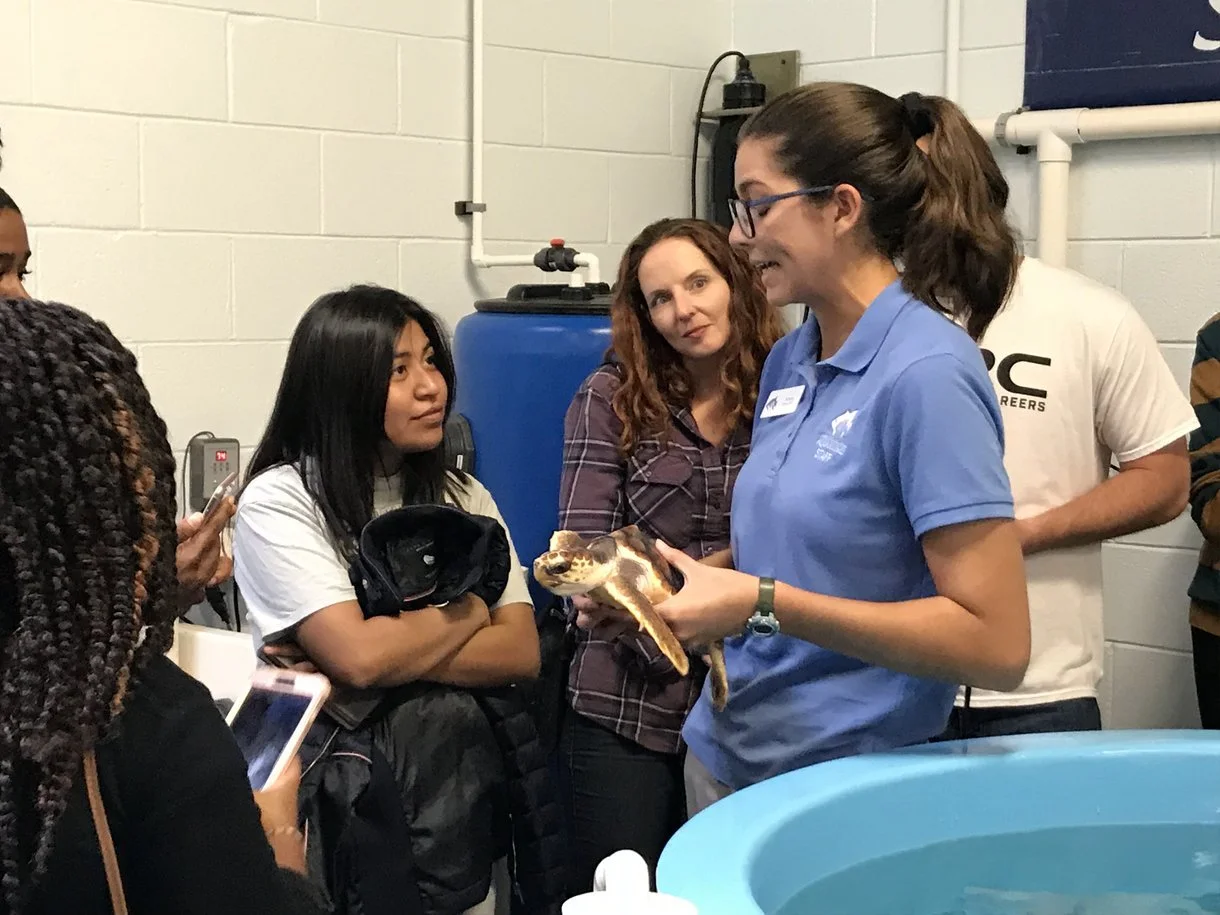
In these immersive field courses, students study Rachel Carson’s writings and then follow in her footsteps—quite literally. After engaging her work in the classroom, they spend four days living and learning within the Rachel Carson Reserve on North Carolina’s Outer Banks and interacting with the many ecological advocates in the area who have followed Carson’s path. There, students work alongside scientists, turtle rescuers, educators, and practitioners committed to ecojustice, ecotheology, and sustainability education. The result is a transformational experience that blends scholarship, place-based learning, and hands-on ecological engagement. Want to learn more? Watch this VIDEO
EcoLiteracy Honors Seminar (Ashville)
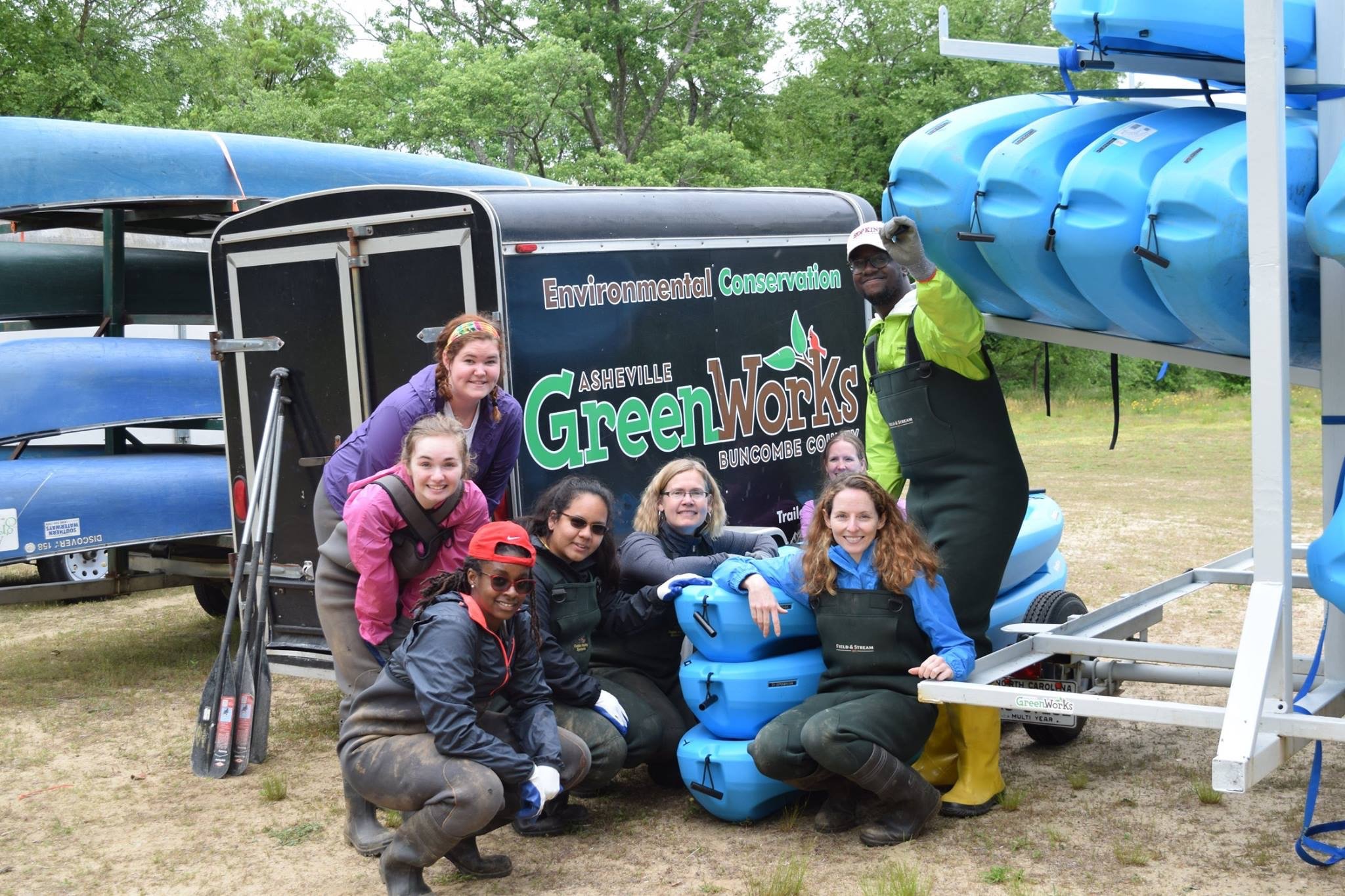
Students immersed themselves in the course scholarship and Asheville’s sustainability culture, engaging with local restaurants, waste systems, entrepreneurs, and environmental nonprofits such as GreenWorks. Through hands-on experiences and community interaction, they augmented the Ecoliteracy information offered in class and developed a more grounded Ecoliteracy by observing, participating in, and reflecting on the interconnected choices that sustain a socially and ecologically responsible community.

International Program (2019)
Cry of the Celts - Exploring the Landscape of Celtic Spirituality
The Irish landscapes are alive … imbued with the spirit of the Creator and to walk there, to appreciate creation as the Celtic Christians did, can impact how we understand our relationship to Earth, the Creator, and our many neighbors.
Want to know more? CLICK HERE
Foodies Unite! Exploring Food Systems and Justice with Dr. Keel
Dr. Melanie Keel spearheaded this course, with Dr. Wright consulting on its design and joining students on their immersion trip to the Deep South. After engaging Michael Pollan’s The Omnivore’s Dilemma, students explored local food systems firsthand—visiting schools, nonprofits like the Society of St. Andrew, farms including Footprint Farms, distribution hubs, heirloom farmers, and award-winning chef Nick Wallace. Through these experiences, students gained a deep understanding of how communities are working to create more just, equitable, and sustainable food systems.
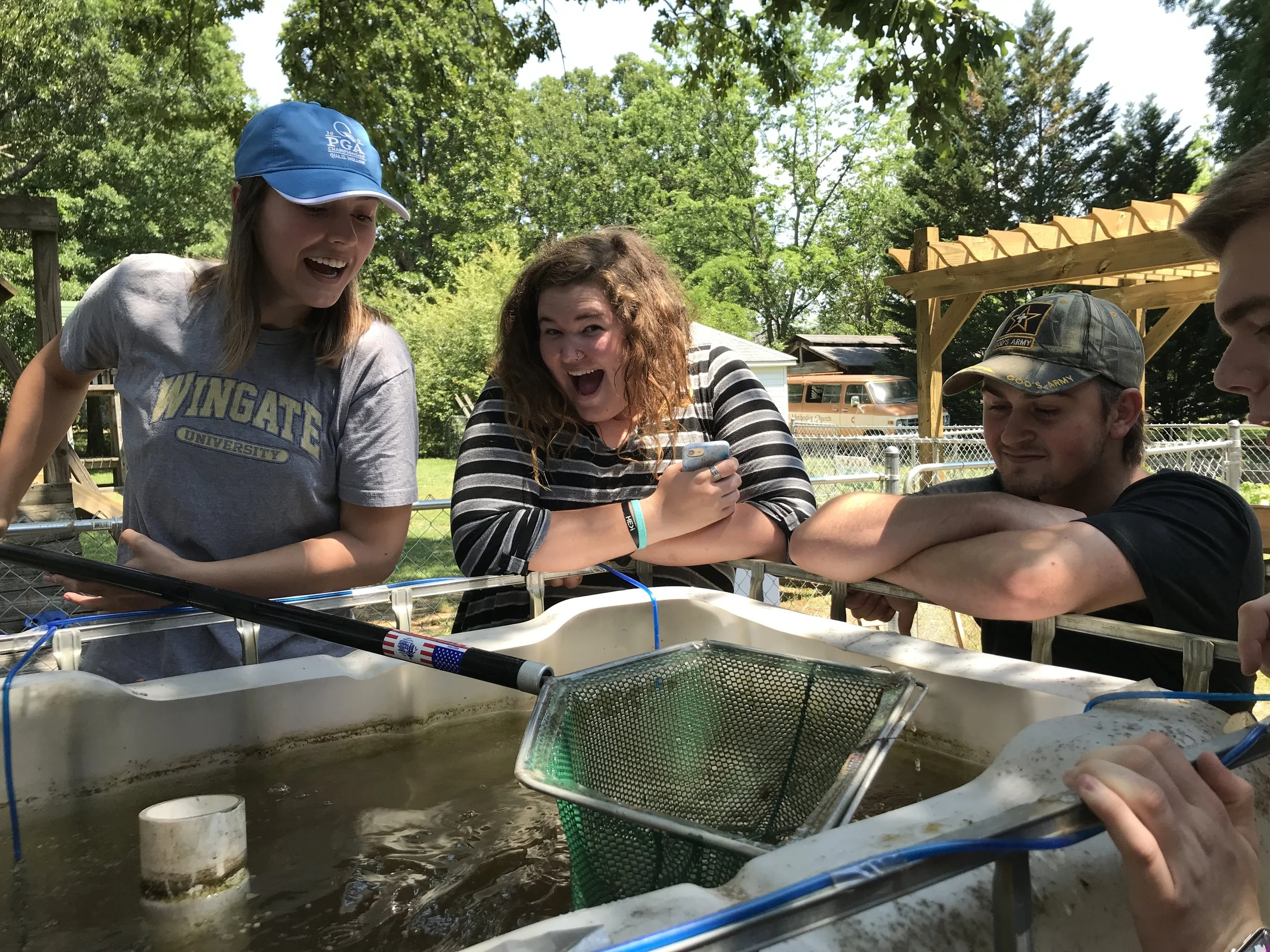
Aquaponics Internship - Bridging Faith and Science
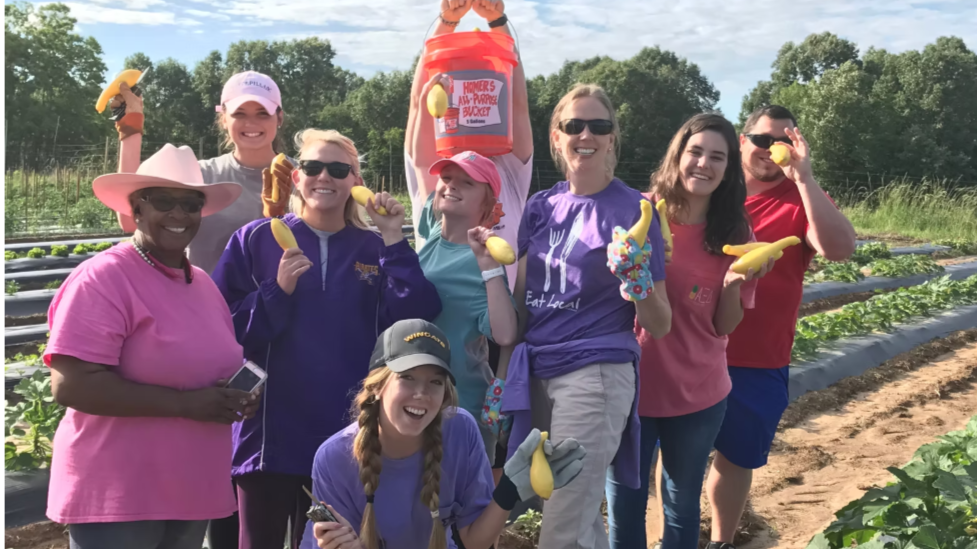
In the summer of 2018, I secured a grant from NC Resourceful Communities in partnership with Wingate UMC, launching the first Aquaponics Internship with two religion majors and an environmental science student. Interns managed the campus and UMC community gardens, as well as the existing aquaponics system. Inspired by Making Peace with the Land (Bahnson & Wirzba), the team not only produced abundant food and built community connections but also created the GIFT (Giving In Faith Together) Market, bringing fresh produce to Bible schools, senior centers, neighborhood corners, and local churches to support vulnerable populations.
Honor Seminar
Sustainability in Higher Education
Honors students explored Thomashow's nine elements of a sustainable campus and then designed projects to explore how Wingate's campus stacked up. This intersection of theory and practice yielded much fruit and created a strong foundation for future sustainability plans.